
Introduction
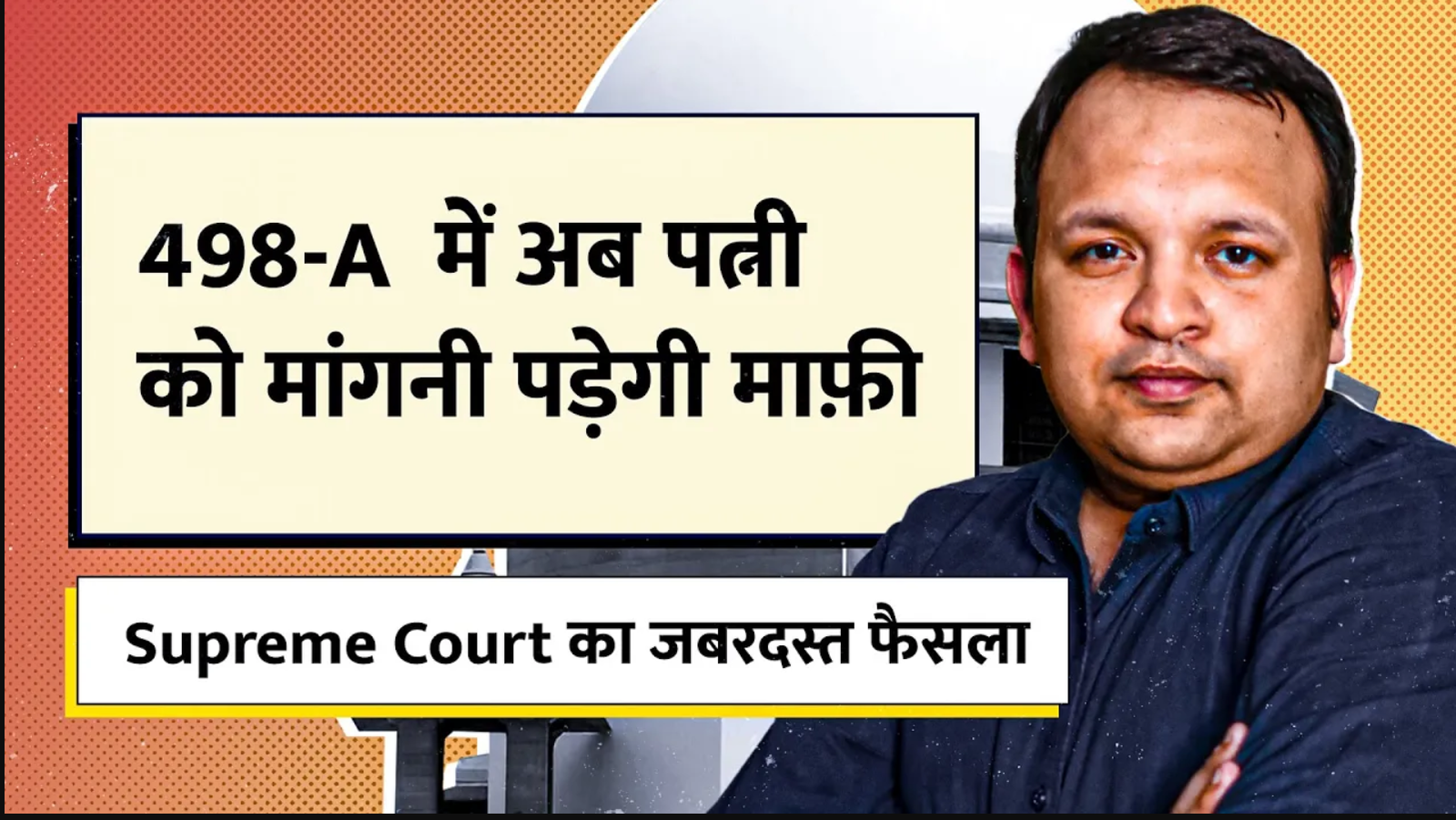
In an era where matrimonial disputes frequently escalate into criminal litigation, the Supreme Court of India has once again intervened to restore balance between protecting women from genuine cruelty and preventing the misuse of criminal laws. In its landmark judgment dated 22 July 2025 in Shivangi Bansal v. Sahib Bansal (2025 INSC 883), the Supreme Court addressed the alarming abuse of Section 498A of the Indian Penal Code (IPC).
The case, involving more than twenty cross-litigations between an Indian Police Service officer and her estranged husband, compelled the Court to issue nationwide safeguards to curb what it described as “legal terrorism” in matrimonial disputes. By endorsing the Allahabad High Court’s 2022 guidelines, the Supreme Court reinforced procedural fairness and cautioned against the weaponisation of criminal law in family conflicts.
Video reference:
Facts of the Case
Shivangi Bansal, also known as Shivangi Goel, an Indian Police Service officer, married Sahib Bansal in December 2015 in accordance with Hindu rites. A daughter was born from the wedlock in December 2016. Over time, serious matrimonial differences arose, and by October 2018 the parties began living separately. The separation resulted in an extensive legal battle, with more than twenty-five cases instituted across courts in Delhi and Hapur, Uttar Pradesh.
The wife lodged multiple FIRs against her husband and his family members alleging offences under Sections 498A, 307, 376 and 406 of the Indian Penal Code, along with provisions of the Dowry Prohibition Act. These complaints included allegations of dowry harassment, physical cruelty, criminal breach of trust, and sexual assault. In response, the husband initiated divorce proceedings under the Hindu Marriage Act, filed child custody petitions under the Guardians and Wards Act, and instituted proceedings alleging defamation and false implication.
Legal Issues Involved
The dispute initially concerned the transfer of multiple matrimonial and criminal proceedings across jurisdictions on grounds of convenience and alleged harassment. However, the case exposed a deeper systemic issue relating to the misuse of Section 498A IPC, particularly in inter-jurisdictional matrimonial conflicts where entire families are implicated through vague and omnibus allegations without supporting evidence.
The Supreme Court was called upon to examine the validity and enforceability of the Allahabad High Court’s 2022 guidelines, the increasing misuse of criminal provisions in matrimonial disputes, and the scope of its extraordinary powers under Article 142 of the Constitution to dissolve marriages and quash proceedings in order to do complete justice.
Supreme Court’s Decision
Invoking its plenary powers under Article 142 of the Constitution, the Supreme Court dissolved the marriage between the parties and quashed all pending criminal, civil, domestic violence, and maintenance proceedings. A comprehensive settlement was recorded, under which the husband agreed to pay a sum of one crore rupees as permanent alimony. Joint custody of the minor child was granted, and all future claims between the parties were barred. The High Court’s earlier direction granting monthly child maintenance of one and a half lakh rupees was set aside.
Most importantly, the Supreme Court upheld and gave nationwide effect to the Allahabad High Court guidelines issued in the Mukesh Bansal case in 2022. The Court expressed grave concern over the increasing trend of filing exaggerated and vindictive complaints under Section 498A, resulting in social stigma, incarceration, and economic ruin of innocent family members. While reiterating the necessity of Section 498A for genuine cases of cruelty, the Court clarified that arrests should not be made during the cooling-off period except in exceptional circumstances involving grave danger.
The Court also directed Shivangi Bansal and her parents to issue unconditional public apologies for making false and malicious allegations, recognising the irreversible damage caused to the reputation and dignity of the husband’s family.
Laws Discussed in the Judgment
The judgment examined Article 142 of the Constitution of India, which empowers the Supreme Court to do complete justice, Sections 498A, 307, 376 and 406 of the Indian Penal Code, Sections 3 and 4 of the Dowry Prohibition Act, and Section 13(1) of the Hindu Marriage Act, 1955.
Key Takeaways from the Judgment
The ruling strengthens safeguards against arbitrary arrests and false implication of husbands and in-laws while ensuring continued protection for genuine victims of domestic cruelty. It mandates the constitution and implementation of Family Welfare Committees across States, enforces a cooling-off period before coercive action, and introduces accountability for misuse through public apologies and contempt proceedings for non-compliance.
Judicial and Statistical Context
Recent NCRB data reflects an extremely low conviction rate of approximately 0.2 percent in Section 498A cases between 2021 and 2024, indicating large-scale misuse and evidentiary shortcomings. The Supreme Court, in judgments such as Rajesh Chaddha (2025) and Achin Gupta (2024), has repeatedly criticised the mechanical application of Section 498A and emphasised mediation-oriented reforms under the Bharatiya Nyaya Sanhita.
Related Landmark Judgments
In Arnesh Kumar v. State of Bihar (2014), the Supreme Court mandated compliance with Section 41 CrPC before arrest. In Rajesh Sharma v. State of Uttar Pradesh (2017), the Court introduced the concept of Family Welfare Committees. In Kans Raj v. State of Punjab (2000), it was clarified that cruelty under Section 498A requires specific intent and cannot be inferred from vague allegations.
Conclusion
The judgment in Shivangi Bansal v. Sahib Bansal represents a decisive shift in India’s approach to matrimonial cruelty laws. By converting Section 498A from a blunt instrument into a regulated legal safeguard, the Supreme Court has reaffirmed that justice cannot be achieved through harassment and intimidation. The ruling protects innocent families from abuse of the legal process while ensuring that women facing real cruelty continue to receive effective legal protection.
For a detailed understanding of the judgment, watch the full analysis on the YouTube channel Legal Shots.
For expert legal opinion, visit https://thelegalshots.com/legal-opinion/