Introduction
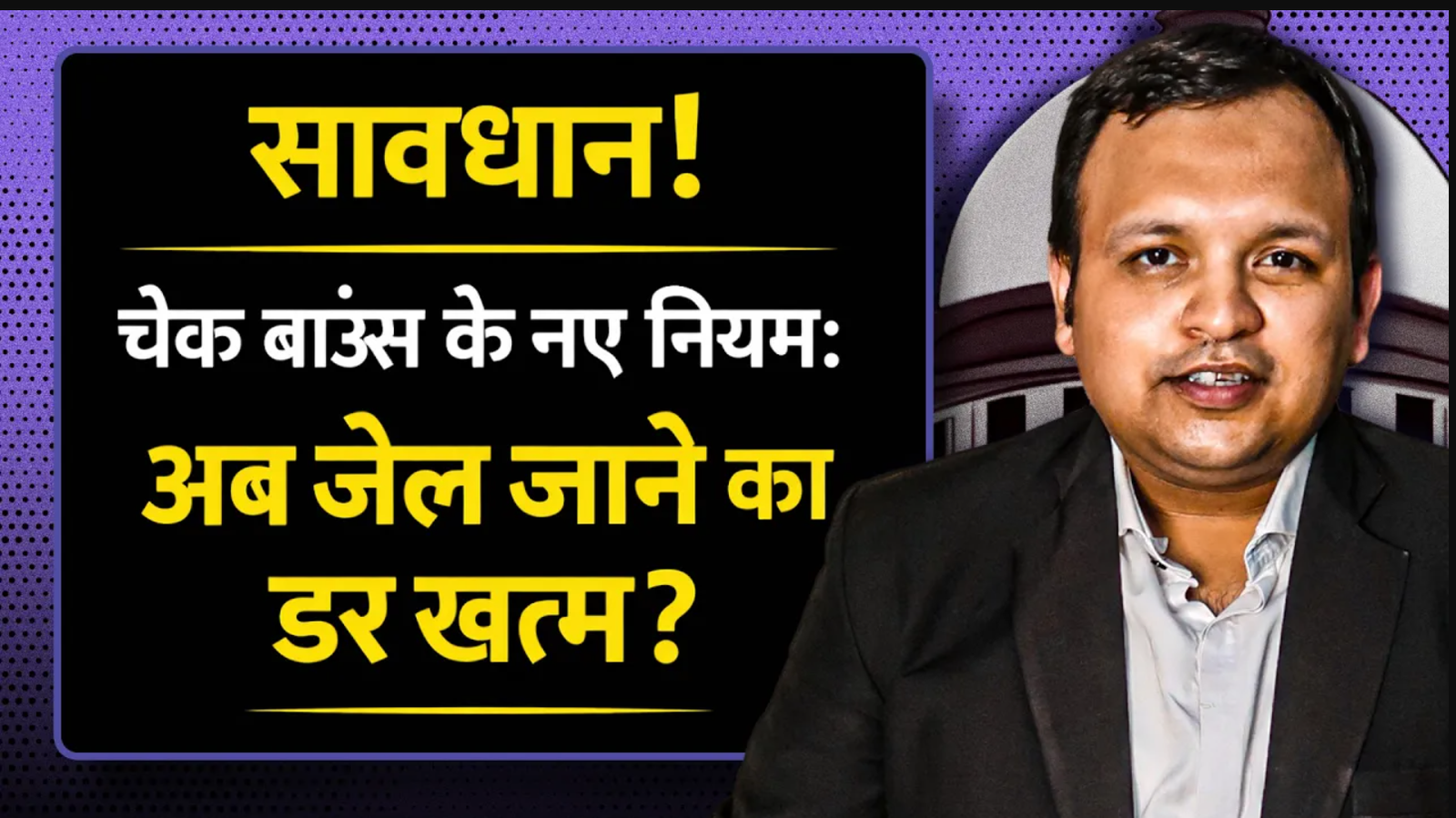
Cheque dishonour cases under Section 138 of the Negotiable Instruments Act, 1881 continue to burden Indian courts with massive pendency. One of the major concerns for litigants has been the high cost of compounding at later stages of litigation. In the recent judgment of Sanjabij Tari v. Kishore S. Borcar & Anr., the Supreme Court revisited the framework laid down in Damodar S. Prabhu v. Sayed Babalal H. and introduced a more flexible and practical approach toward compounding costs.
This judgment is a major relief for both complainants and accused persons involved in cheque bounce cases.
Legal Rights in Cheque Bounce Cases and Why They Matter
Under Section 138 of the Negotiable Instruments Act, both parties have clearly defined rights. The complainant has the right to recover money and initiate legal proceedings, while the accused has the right to defend and also settle the matter through compounding. Understanding these rights is crucial because it allows parties to take timely decisions, avoid unnecessary litigation, and minimize financial losses. The recent Supreme Court ruling further strengthens these rights by making settlement more accessible and less financially burdensome.
Legal Remedies in Cheque Bounce Cases under Section 138 NI Act
Filing a Complaint under Section 138
The primary remedy is to initiate criminal proceedings against the drawer of the cheque. This begins with sending a legal notice within 30 days of dishonour. If payment is not made within 15 days, a complaint can be filed before the Magistrate.This remedy creates legal pressure and often leads to settlement.
Compounding of Offence
Compounding is the most effective way to resolve cheque bounce disputes. It allows both parties to settle the matter amicably at any stage of the case.The Supreme Court has now reduced the financial burden associated with compounding, making it easier for parties to opt for settlement even at later stages.To execute compounding, parties must file a joint application before the court where the matter is pending. Once accepted, the case is closed.
Appeal and Revision
If either party is dissatisfied with the trial court’s decision, they can approach higher courts. Appeals can be filed before Sessions Court or High Court, and further before the Supreme Court.Even during appeal stages, compounding remains an available option.
Revised Guidelines on Compounding Costs by Supreme Court
The earlier judgment in Damodar S. Prabhu v. Sayed Babalal H. imposed graded costs to discourage delayed settlements. These costs were often seen as excessive and discouraged compounding at later stages.In Sanjabij Tari v. Kishore S. Borcar & Anr., the Supreme Court has relaxed this rigid structure and allowed a more flexible, case-based approach. Courts now have discretion to reduce or waive costs depending on the circumstances.This change ensures that litigants are not unfairly penalized for settling disputes at a later stage.
Old vs New Compounding Cost Framework
| Stage of Case | Earlier Cost (Damodar Case) | Revised Approach (Sanjabij Tari Case) |
|---|---|---|
| Trial Stage | Up to 10% of cheque amount | Reduced or flexible |
| Appellate Stage | Up to 15% | Lowered burden |
| Supreme Court Stage | Up to 20% | Relaxed and discretionary |
The revised framework makes settlement more practical and reduces financial pressure on litigants.
Step-by-Step Process to File and Settle Cheque Bounce Cases
The process begins with the dishonour of a cheque, followed by issuance of a legal notice within the prescribed time. If payment is not made, a complaint is filed before the Magistrate.
During the proceedings, parties can choose to settle the matter through compounding by filing a joint application. The court then evaluates the settlement and passes appropriate orders.
If required, the matter can be taken to appellate courts, where settlement is still possible.
Who Benefits from This Judgment
This judgment benefits multiple stakeholders. The accused gains relief from excessive financial penalties, making settlement easier. The complainant benefits from faster recovery of money. The judiciary benefits from reduced pendency of cheque bounce cases.Overall, it promotes quicker dispute resolution and reduces unnecessary litigation.
Legal Strategy After This Judgment
After this development, parties should carefully evaluate whether to continue litigation or opt for settlement. Early settlement remains cost-effective, but even delayed settlement is now less burdensome.Accused persons should consider compounding to avoid prolonged litigation and potential penalties. Complainants should assess whether settlement can ensure faster recovery rather than engaging in long legal battles.A strategic decision based on cost, time, and outcome is essential.
Comparative Overview of Remedies
| Remedy | Purpose | Stage | Outcome |
|---|---|---|---|
| Section 138 Complaint | Legal action initiation | Trial | Recovery pressure and liability |
| Compounding | Settlement | Any stage | Case closure |
| Appeal or Revision | Challenge decision | Post-judgment | Modification or reversal |
Expert Advice Do’s and Don’ts
Do’s
Maintain all cheque-related records and documentation. Issue legal notice within the prescribed timeline. Consider settlement at an early stage to reduce costs and time. Seek professional legal advice before taking any action.
Don’ts
Do not ignore a cheque bounce notice, as it may lead to criminal liability. Avoid unnecessary delay in settlement. Do not proceed without proper documentation. Avoid making uninformed legal decisions without expert guidance.
Conclusion
The Supreme Court’s decision in Sanjabij Tari v. Kishore S. Borcar & Anr. marks a significant shift in cheque bounce litigation. By reducing the burden of compounding costs and introducing flexibility, the Court has made dispute resolution more practical and accessible.
This development is expected to encourage settlements, reduce pendency, and provide relief to thousands of litigants across India. Understanding your legal rights and adopting the right strategy can help you save time, money, and effort.
FAQs
Q1. What is compounding in cheque bounce cases?
Compounding is a legal process where both parties agree to settle the dispute amicably, leading to closure of the case without continuing litigation.
Q2. Can a cheque bounce case be settled at any stage?
Yes, cheque dishonour cases can be settled at any stage, including trial, appeal, or even before the Supreme Court.
Q3. What has changed after the recent Supreme Court judgment?
The Supreme Court has reduced the strict graded cost system and allowed courts to adopt a flexible approach while deciding compounding costs.
Q4. Is it mandatory to pay penalty for compounding?
Costs may still be imposed, but courts now have discretion to reduce or waive them depending on the case.
Q5. What happens if I ignore a cheque bounce notice?
Ignoring a notice can result in criminal proceedings under Section 138, which may lead to penalties or legal consequences.
Q6. What is the time limit for filing a cheque bounce case?
A complaint must be filed within one month after the expiry of 15 days from the date of receiving the legal notice.
Q7. Can compounding happen without court permission?
No, compounding must be approved by the court where the case is pending.
Q8. Do I need a lawyer for cheque bounce cases?
While not mandatory, legal assistance helps in proper compliance and effective case handling.
Case Details
Case Title: Sanjabij Tari v. Kishore S. Borcar & Anr.
Citation: Criminal Appeal No. 1755 of 2010, Supreme Court of India
Judgment Link: https://api.sci.gov.in/supremecourt/2009/31112/31112_2009_12_1501_64549_Judgement_25-Sep-2025.pdf
If doubts still persist, contact our Legal Experts at https://thelegalshots.com/legal-opinion